• Projects
  • Journal
    • Tomorrowland
    • Between The Light
    • Exhibition Catalog - Between The Light
  • About
  • Contact
Menu

Sebastian Schlueter

  • Projects
  • Journal
  • Books
    • Tomorrowland
    • Between The Light
    • Exhibition Catalog - Between The Light
  • About
  • Contact
DSCF8604.jpg

Preparing for the Exhibition - Part II

April 6, 2018

Matting

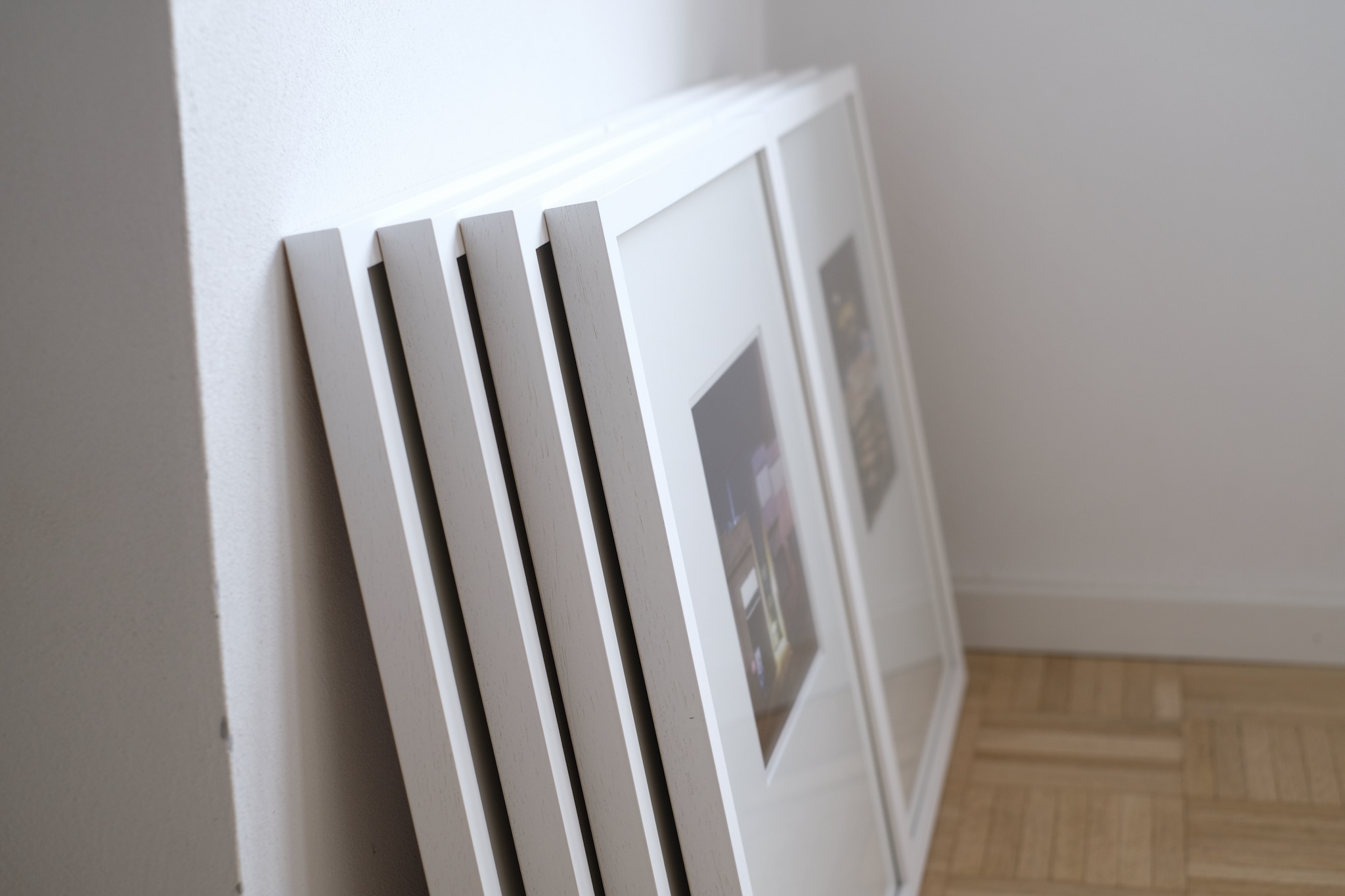
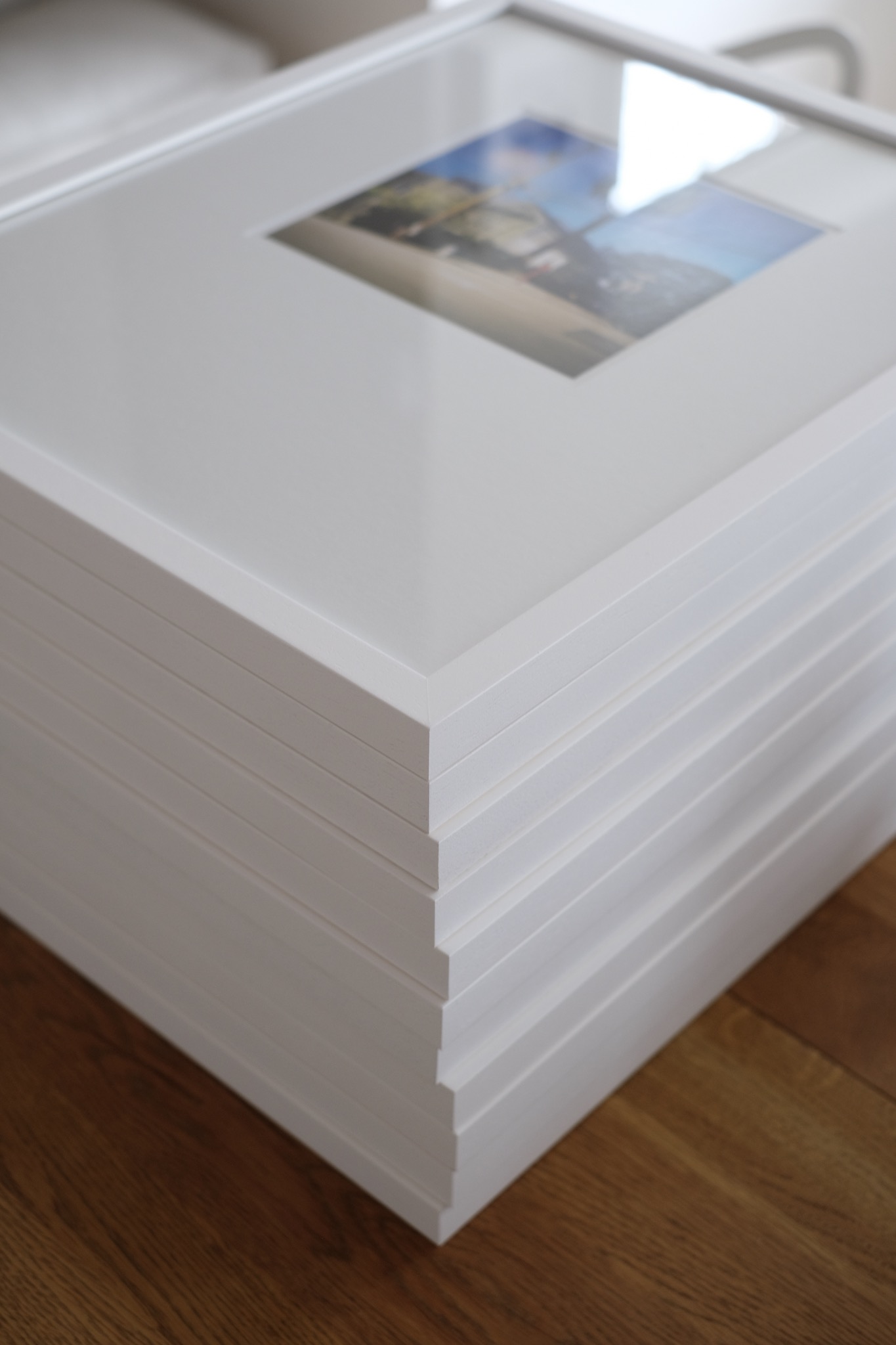
Framing is an art form and not only because it requires some skills to frame a photography in order to look good without dust or lint on the picture, extensive knowledge about material and the process is required to do it 100% correctly. Conservatory framing requires material of archival quality. But all this is only true if you plan to present the artwork in the frame for a long time period. Exhibitions often dońt require this amount of effort and investment. Nevertheless I want my photographs to be presented in the best possible manner, therefore some care was required to do the matting and framing correctly.

View fullsize DSCF8591.jpg
View fullsize DSCF8594.jpg
View fullsize DSCF8596.jpg
View fullsize DSCF8605.jpg
View fullsize DSCF8609.jpg
View fullsize DSCF8610.jpg

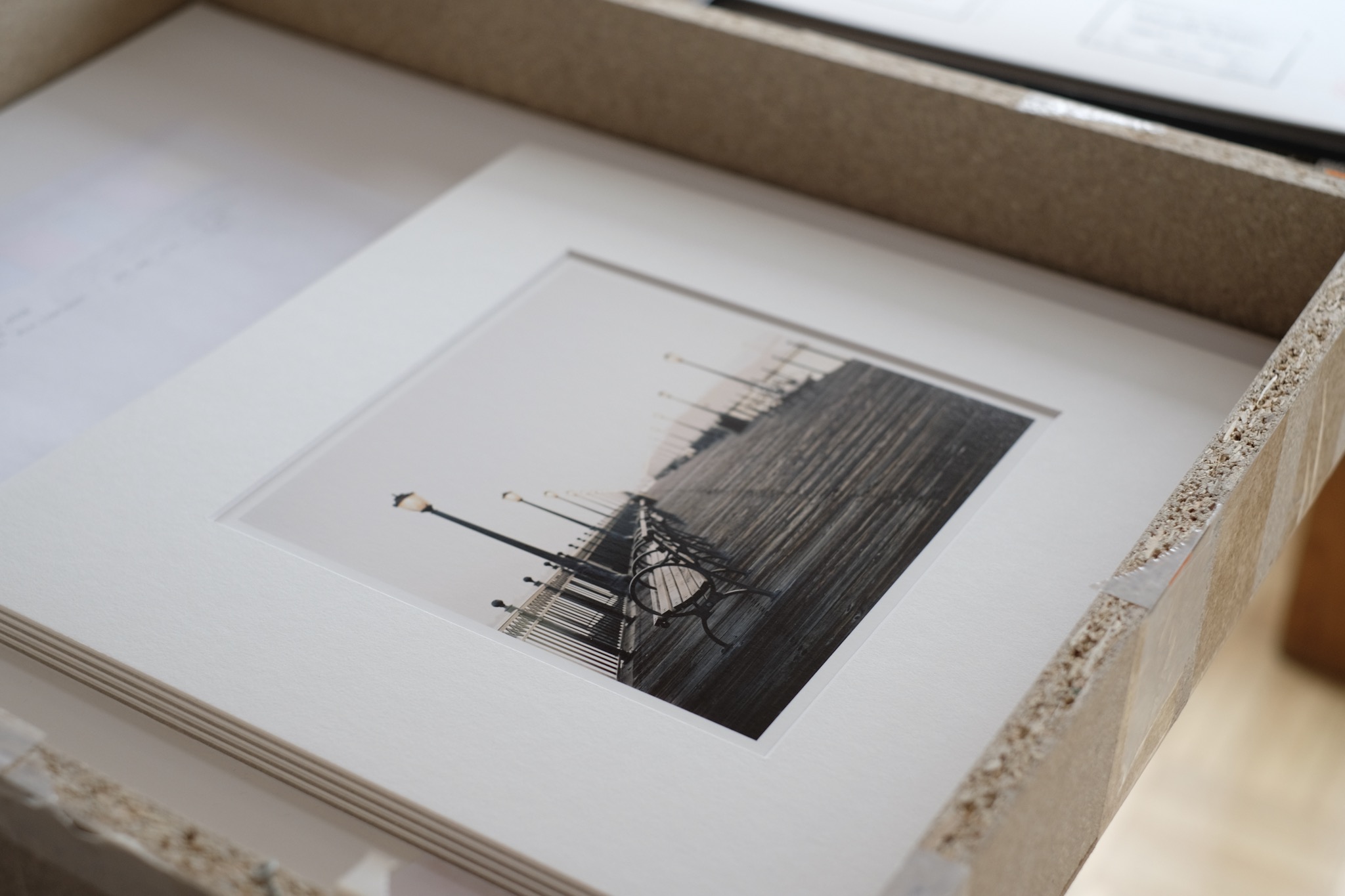
Most of my matting and framing material I get from the Passepartout-Werkstatt. This vendor sells perfectly cut matte boards in many different quality standards. For prints that I intent to sell, I chose the conservatory quality of the matte boards but for temporary display BEST quality is still way beyond the quality of simple standard matte boards. The material comes super nicely packed in a large wooden box. All cuts are at exact size without any spots or edges. I was super happy.

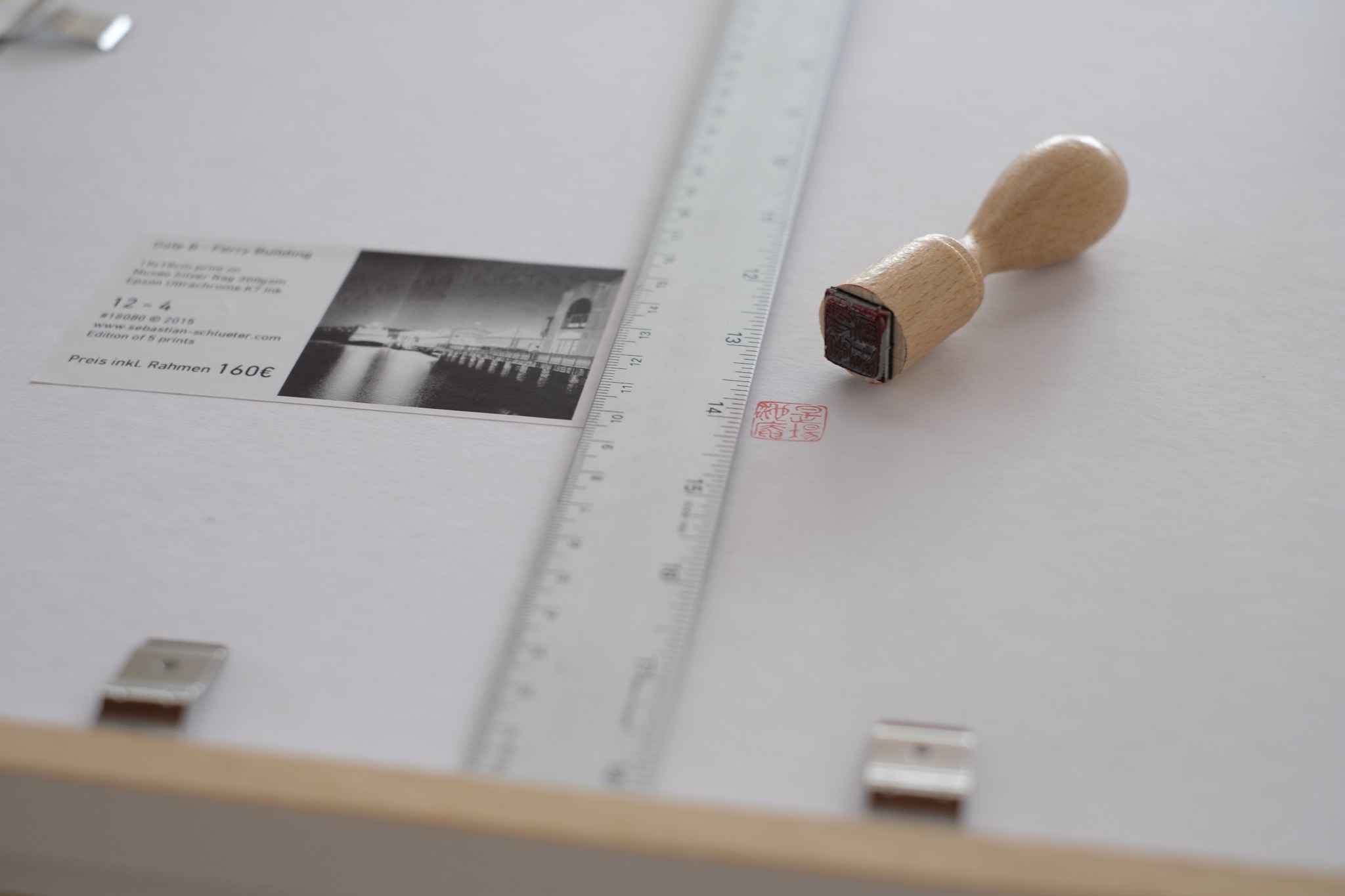
I mount the prints on a Museum quality cardboard. The matte boards is hinged with Filmoplast tape to the backboard. This allows easy positioning of the photograph. The print is attached to the board with Japanese hinging tape and a special technique known to me as T-type mounting. For a total of 35 prints this requires some time and I was happy once all the prints have been mounted successfully. My matte boards usually have 1cm larger cutout than required to cover the image, this allows an additional 5mm white boarder between the matte board and the print. I personally prefer this look as it allows a tighter connection between the surrounding material of the matte board and the paper. It also shows the quality of the paper.

View fullsize DSCF8601.jpg
View fullsize DSCF8602.jpg
View fullsize DSCF8802.jpg
View fullsize DSCF8803.jpg
View fullsize DSCF8805.jpg
View fullsize DSCF8818.jpg

Archival Framing

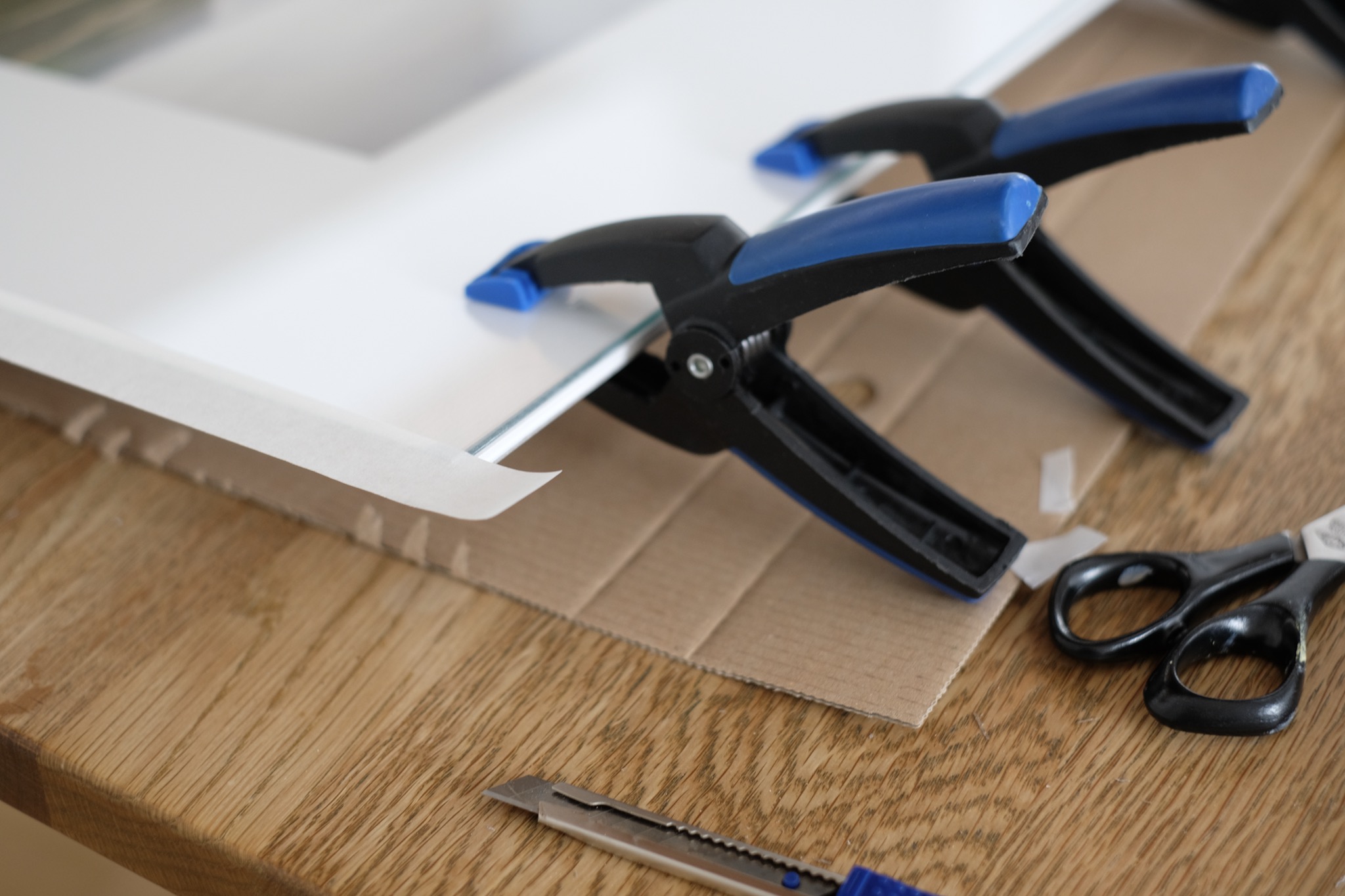
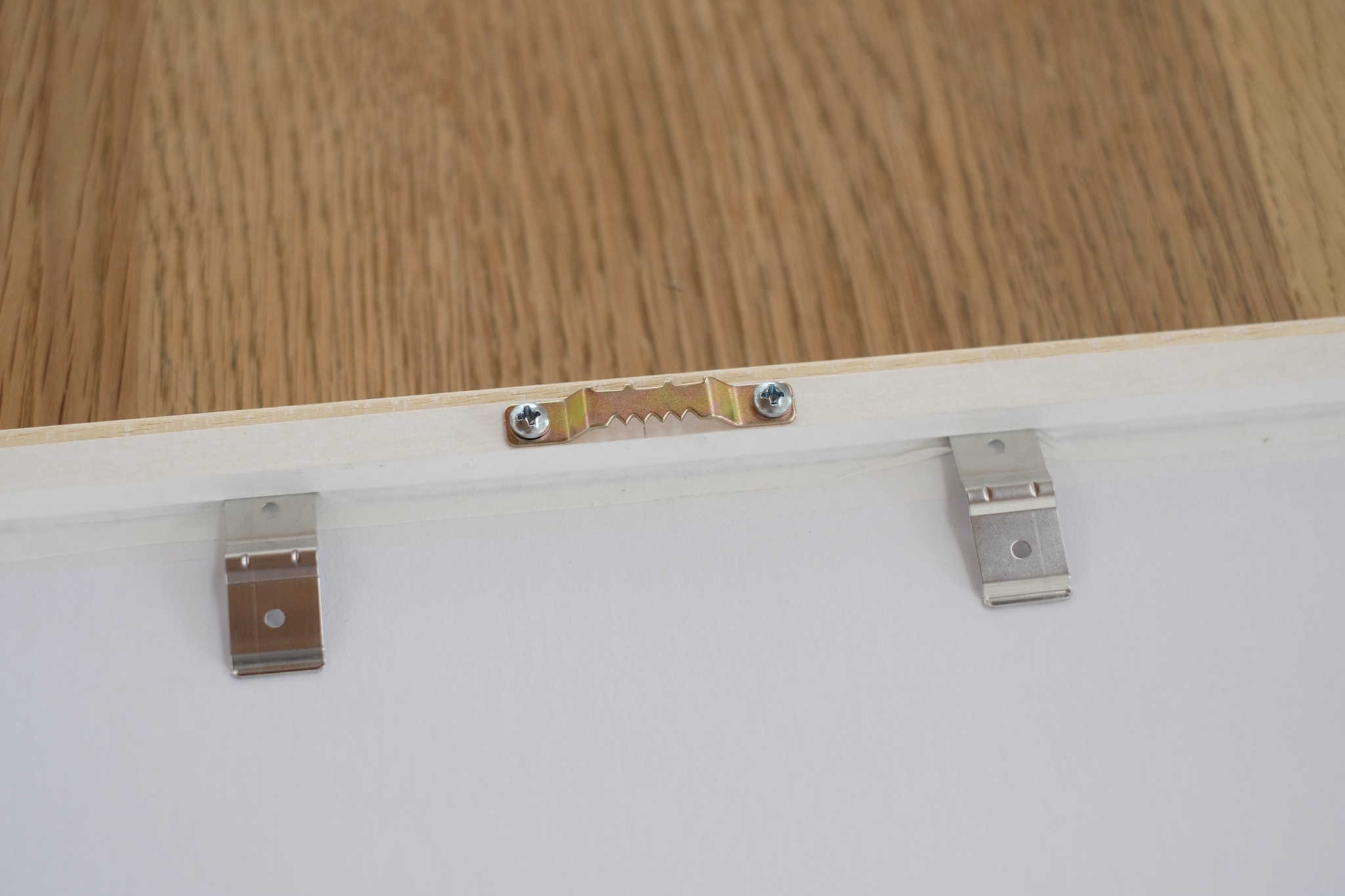
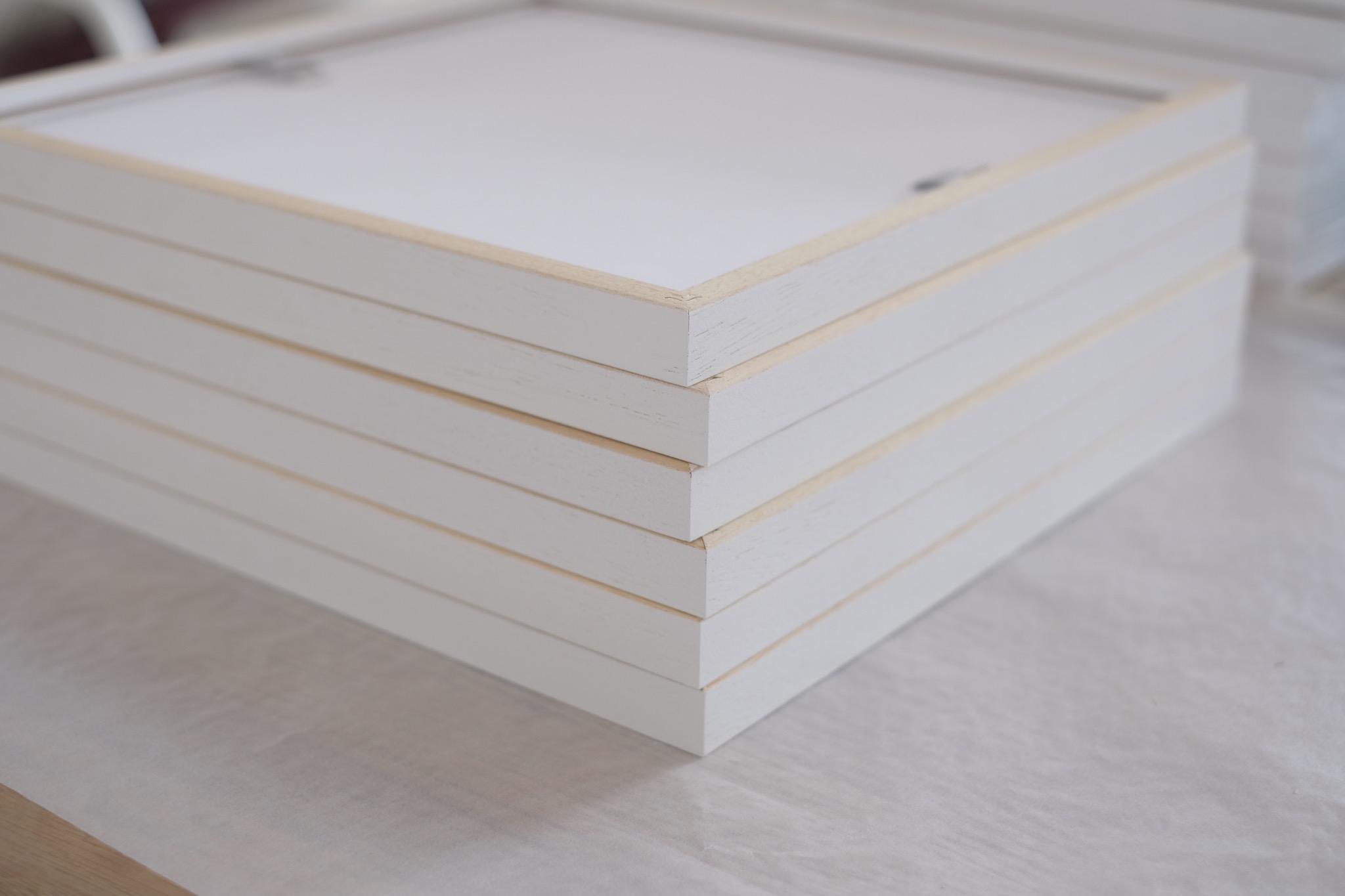
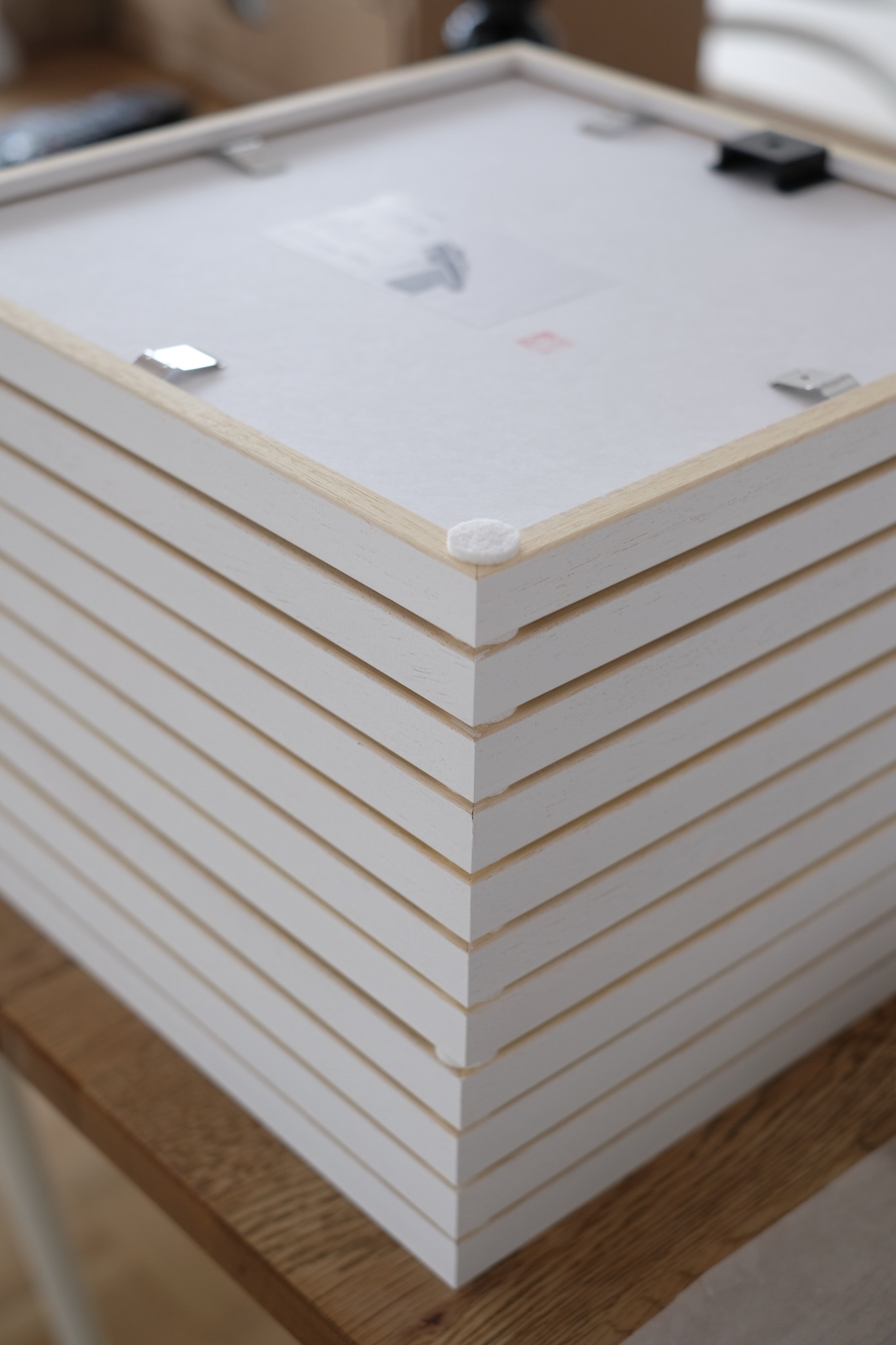
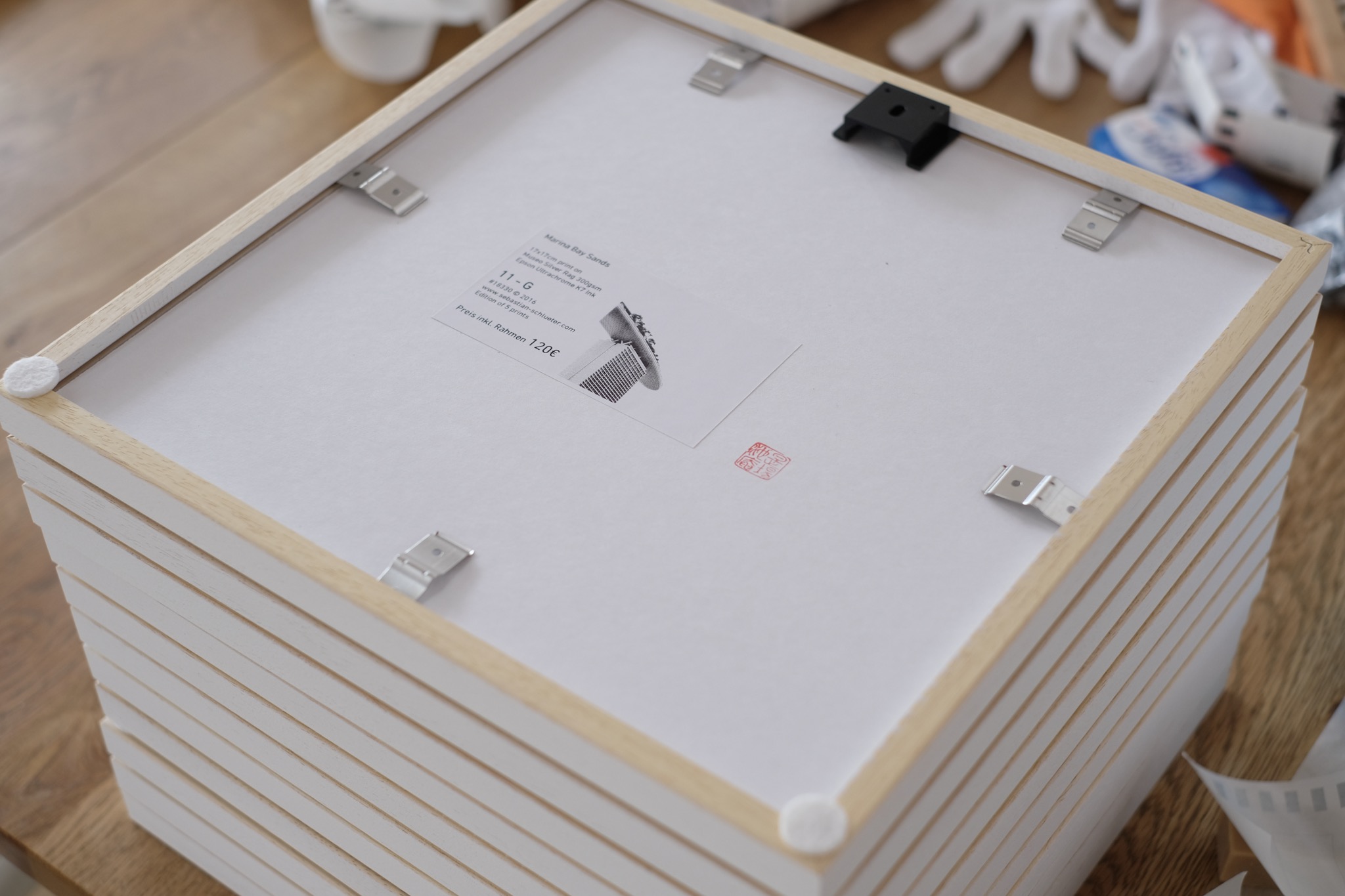
For archival purpose and for all my prints for customers, I make a small package of the matte board and the glass of the frame. This ensures a stable environment and prevents dust from getting into the system. For this I again use the Filmoplast P90 tape. This process matches the archival standard for framing. After inserting this sandwich into the wooden frame, the final backboard is added and I secure everything with either Flexpoints or metal clips and carefully protect the gap between the frame and the final backboard with paper tape. This will be another barrier for dust to come into the system.

The most tedious task when framing is to ensure that there is no dust or lint inside the frame. The best way of doing this is to use a broom and wipe it across the surface of the glass and the mounted print. You could use clamps to joint the gals with the matte board before inserting it into the frame.
DSCF8799.jpg
DSCF8826.jpg
DSCF8828.jpg
DSCF8848.jpg
DSCF8857.jpg
DSCF8863.jpg
DSCF8864.jpg
DSCF8865.jpg

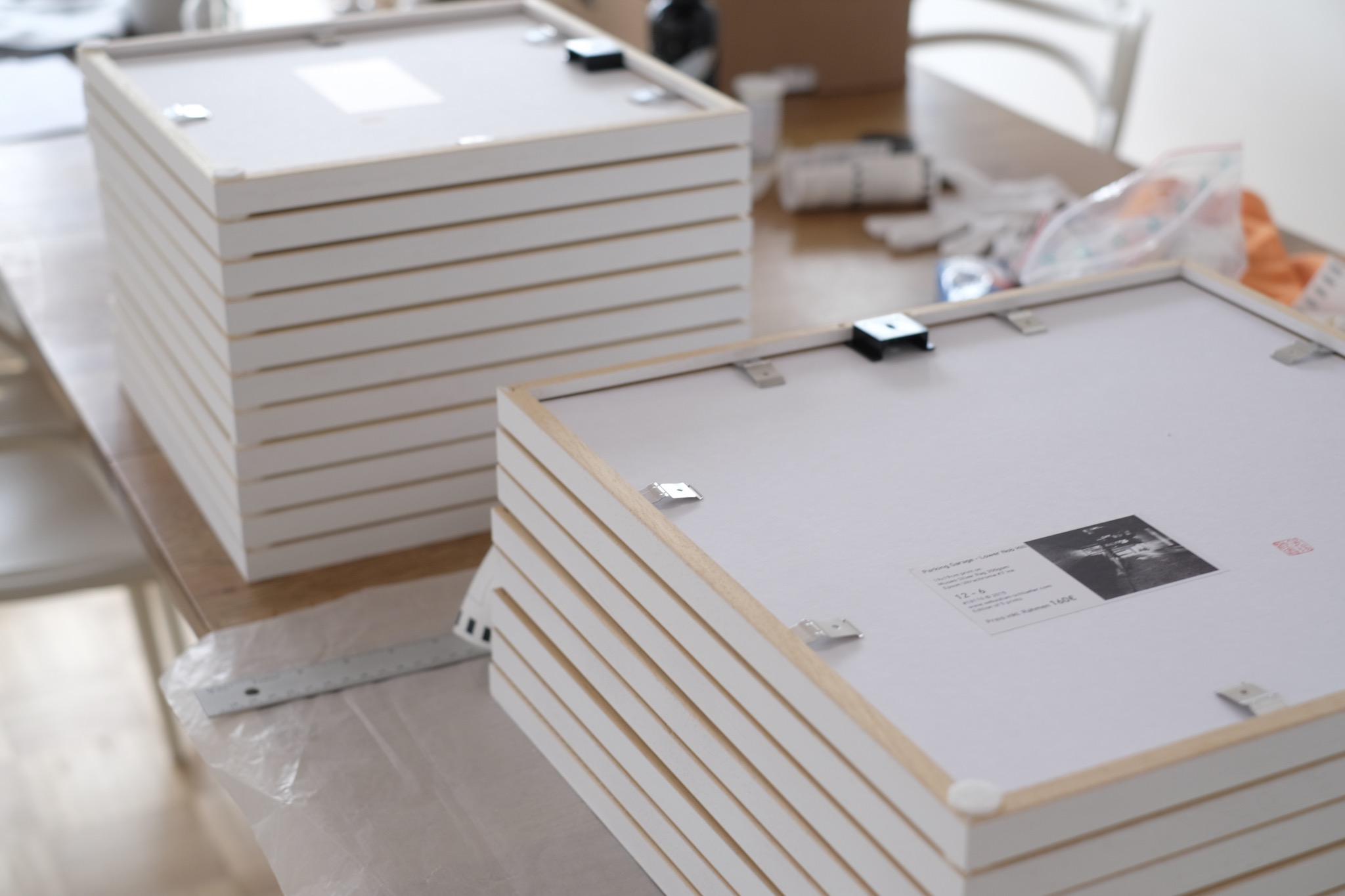
The final challenge was to mount the two large prints which will be displayed at in a 70x70cmm frame. Due to the size of the frame I chose acrylic glass in order to reduce the weight of the frame. Acrylic glass however is a dust magnet and scratches easily. Some care is required to do this right. 

After all, preparing all this for the exhibition was a lot of joy and I am looking forward to see those prints hanging on the walls in Freiburg.

In News, Printing, project Tags news, printing
← Impressions from the BETWEEN THE LIGHT exhibition openingPreparing for the Exhibition - Part I →

TOP CONTENT

Scanning Tutorials

All about film scanning

Interviews

Artist Interviews

ARCHIVE

CATEGORIES
  • Film Photography 46
  • Scanning 35
  • Travel 27
  • Photo Essay 26
  • Tutorial 18
  • News 14
  • Digital Photography 13
  • Silverfast Scanning 12
  • Review 10
  • Interview 9
  • project 5
  • Field Notes 4
  • Fujifilm X-Series 4
  • Printing 4
  • Book 3
  • Freiraum 2
  • essay 2
  • Bayside Impressions 1


Recent Blog Posts

Featured
ColorPrecision Review

A FRESH TAKE ON KODAK FILM EMULATION FOR LIGHTROOM

INTRODUCTION

What is it that draws photographers to film, despite its somewhat outdated nature? I've written at length on this blog about the tactile, emotional, and aesthetic qualities of analog photography — and I still believe that digital can rarely replace the joy of loading a roll, advancing the film lever, hearing the satisfying shutter sound, and embracing the beautiful uncertainty of results.

Still, digital photography is often more practical. That’s why so many film photographers — myself included — look for tools to emulate the feel of analog film in a digital workflow. Over the years, a number of companies have emerged in this space: Mastin Labs, RNI, The Classic Presets, Dehancer — and now, a new contender: ColorPrecision, developed by film enthusiast and colorist Owen Markham.

Read more →
A SILENT JOURNEY THROUGH VENICE

Exploring the Floating City with a Canon AE-1

Venice in the fall. The city breathes differently when the summer crowds fade. The soft, diffused light reflects on the water, casting subtle ripples on ancient facades. The damp air carries the scent of salt and history. I arrived with no fixed plan—just my Canon AE-1 and a few rolls of Kodak Vision3, ready to capture whatever unfolded in front of me.

Read more →
The Ultimate Way of Digital Film Emulation

DEHANCER FILM LIGHTROOM PLUGIN REVIEW

A personal take on one of the most popular film emulation tools

This isn’t your typical review! Instead, it’s a report on my hands-on experience with Dehancer Film, breaking down the key aspects of the software. After experimenting with its interface and creating a range of looks, I wanted to see if Dehancer could complement my digital workflow, especially since I primarily shoot analog film.

Read more →
No. 24 — A Visual Journey

Introduction On many of my travels, I often seek out architectural gems: small houses that are iconic and stylistically significant but lie off the beaten tourist paths and aren't featured on every influencer's account. One of these significant masterpieces is the Alvar Aalto House in Helsinki, a place where architecture and light form a poetic symbiosis. During my visit, I was impressed by the thoughtful spatial design and the warm, natural lighting. The flowing forms and organic materials tell the story of an architect who masterfully knew how to direct light. To view the rooms undisturbed and in peace, the Alvar Aalto Foundation limits group sizes to a small number of participants. After a very knowledgeable and engaging tour, I had the opportunity to explore and photograph the house on my own. I will elaborate on the specific photographic techniques later, but first, let’s take a brief look at who Alvar Aalto

Read more →
Camera Scanning Part IV

If, like me, you've been captivated by scanning over the years and simply enjoy digitizing film, it's clear that you follow the market and the countless options available to you. I've written several times about the possibility of building your own small scanner setup. By now, my own setup has changed significantly and what started with a few simple components has grown into a very precise tool. I get a lot of joy from it and can finally scan films the way I want. However, to get this far, I had to overcome several hurdles. But let's start from the beginning.

Read more →

No results found
Journal RSS

Impressum – Site Legal Notice  |  Datenschutzerklärung – Privacy Notice | AGB / Term & Conditions