• Projects
  • Journal
    • Tomorrowland
    • Between The Light
    • Exhibition Catalog - Between The Light
  • About
  • Contact
Menu

Sebastian Schlueter

  • Projects
  • Journal
  • Books
    • Tomorrowland
    • Between The Light
    • Exhibition Catalog - Between The Light
  • About
  • Contact

Signed, Sealed, Delivered...

August 20, 2015

From Scan to Print, a workflow example

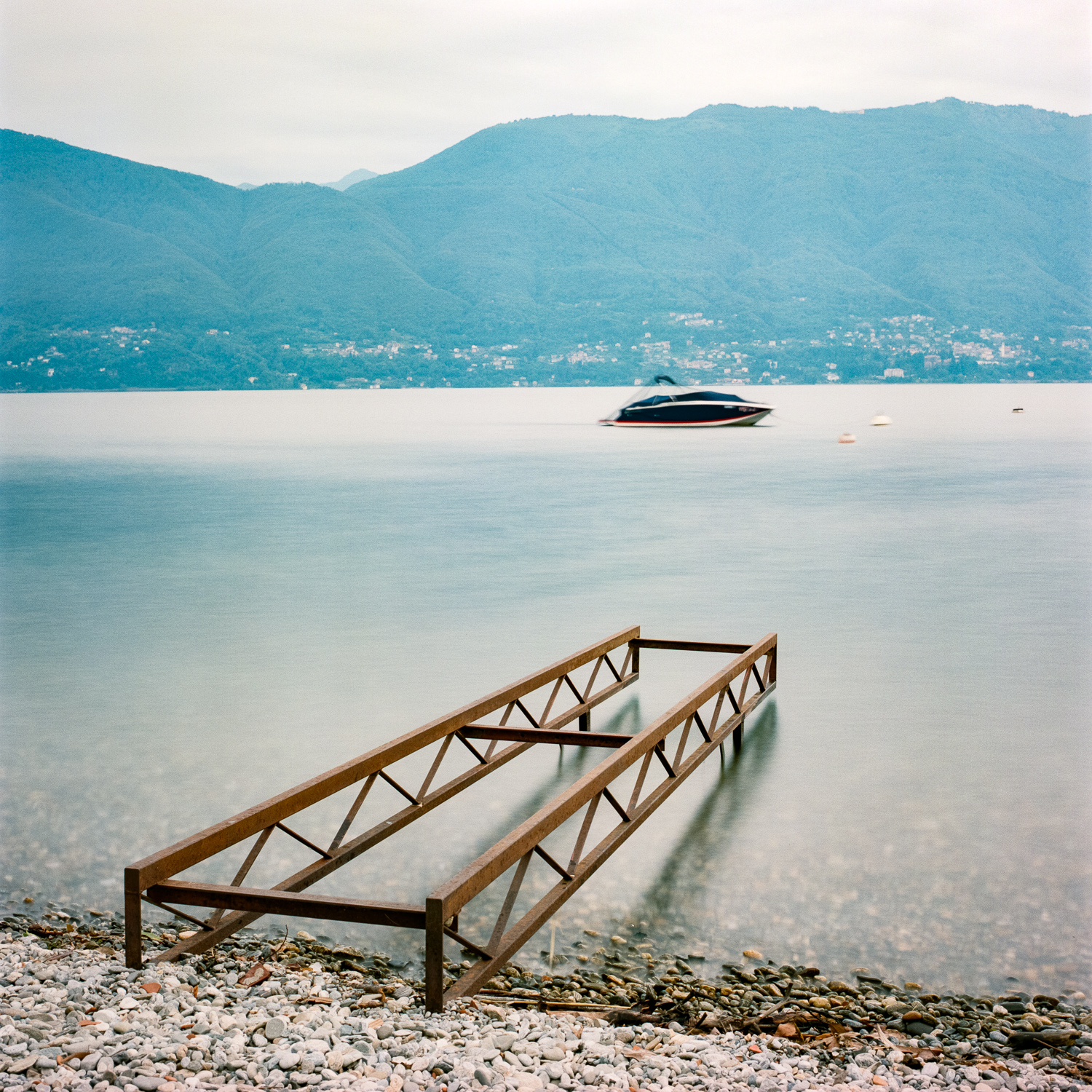
I just recently received these wonderful Fuji Frontier scans from the "Mein Film Lab" in Germany and I was immediately hooked by the shot I took during sunset at a lovely hidden beach at the "Lago Maggiore".

I decided to explore whether I could make similar scans at home with my Epson V700 scanner and Silverfast 8. Here is brief explanation of my workflow:

From Scan to Print...
Signed_Sealed_Delivered001.jpg
R123_F03_SF.jpg
DSCF3576.JPG
DSCF3581.JPG

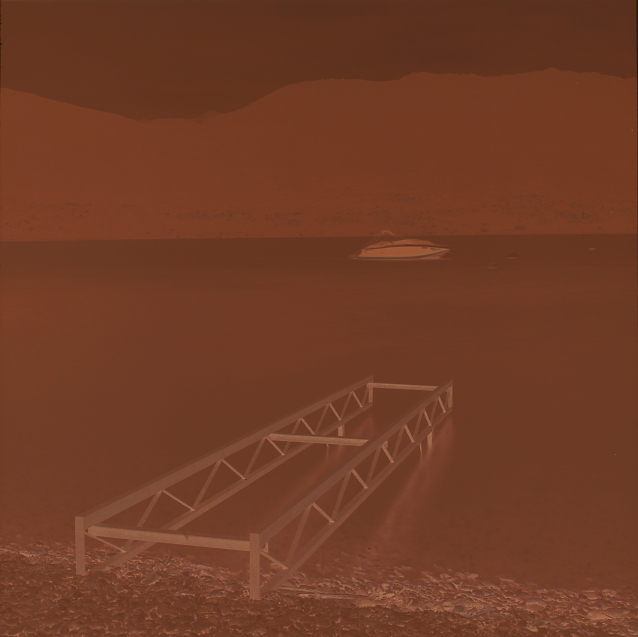
The film (Kodak Portrao 400) was developed and scanned by "Mein Film Lab" in Germany. The colors and contrast of the Fuji Frontier scanner are unmatched!

Fuji Frontier Scan

Scanning

I loaded the film into the film holders of my Epson V700 and applied the neagtive inversion, color correction and dust removal in Silverfats 8 Ai Studio.

Using Negafix and the Histogram adjustment in Silverfast 8 to make initial image corrections.

Using Negafix and the Histogram adjustment in Silverfast 8 to make initial image corrections.

Time to scan...

Time to scan...

Further adjustments of the 25 Megapixel file in Lightroom...

The final image after some contrast and detail adjustments in Lightroom.

Printing

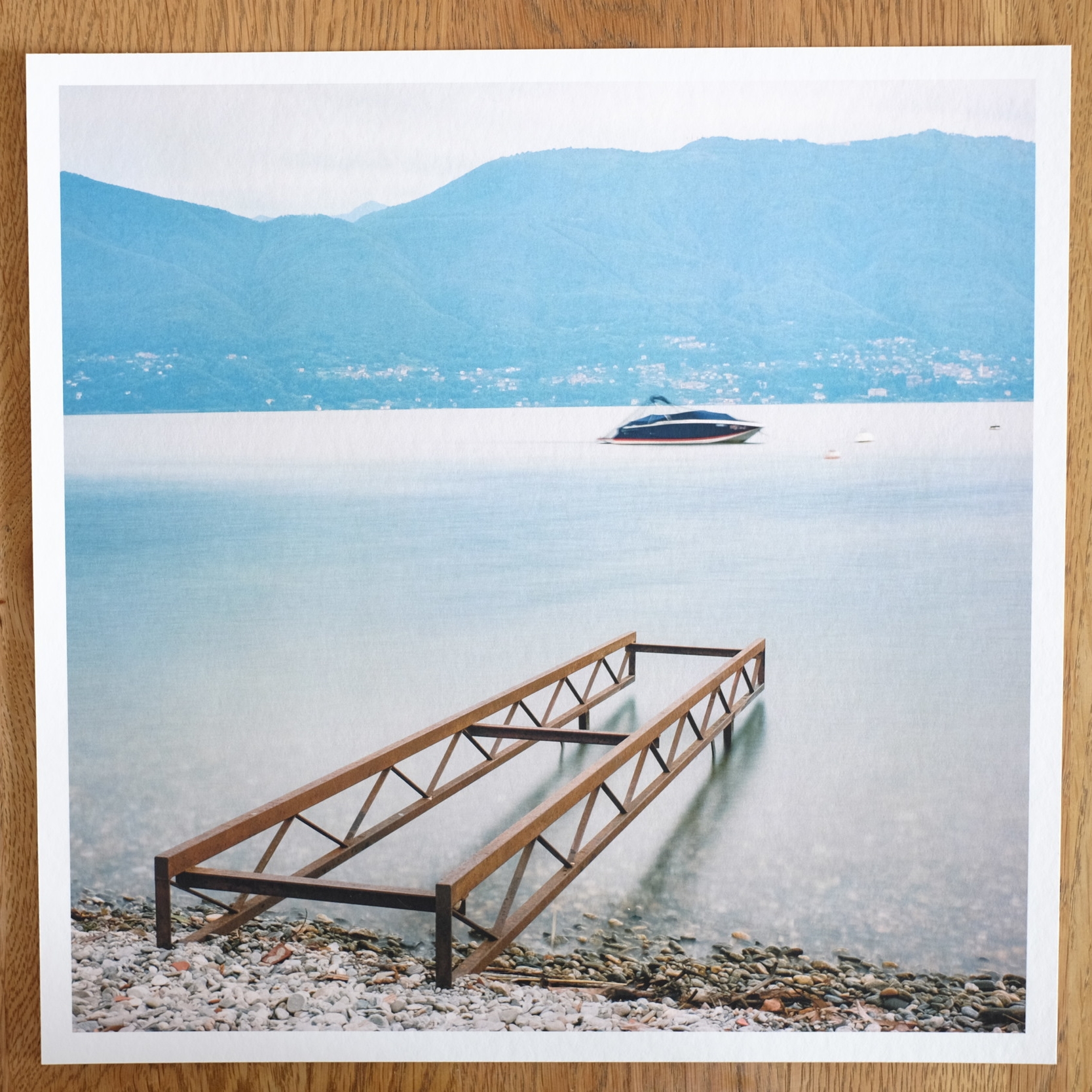
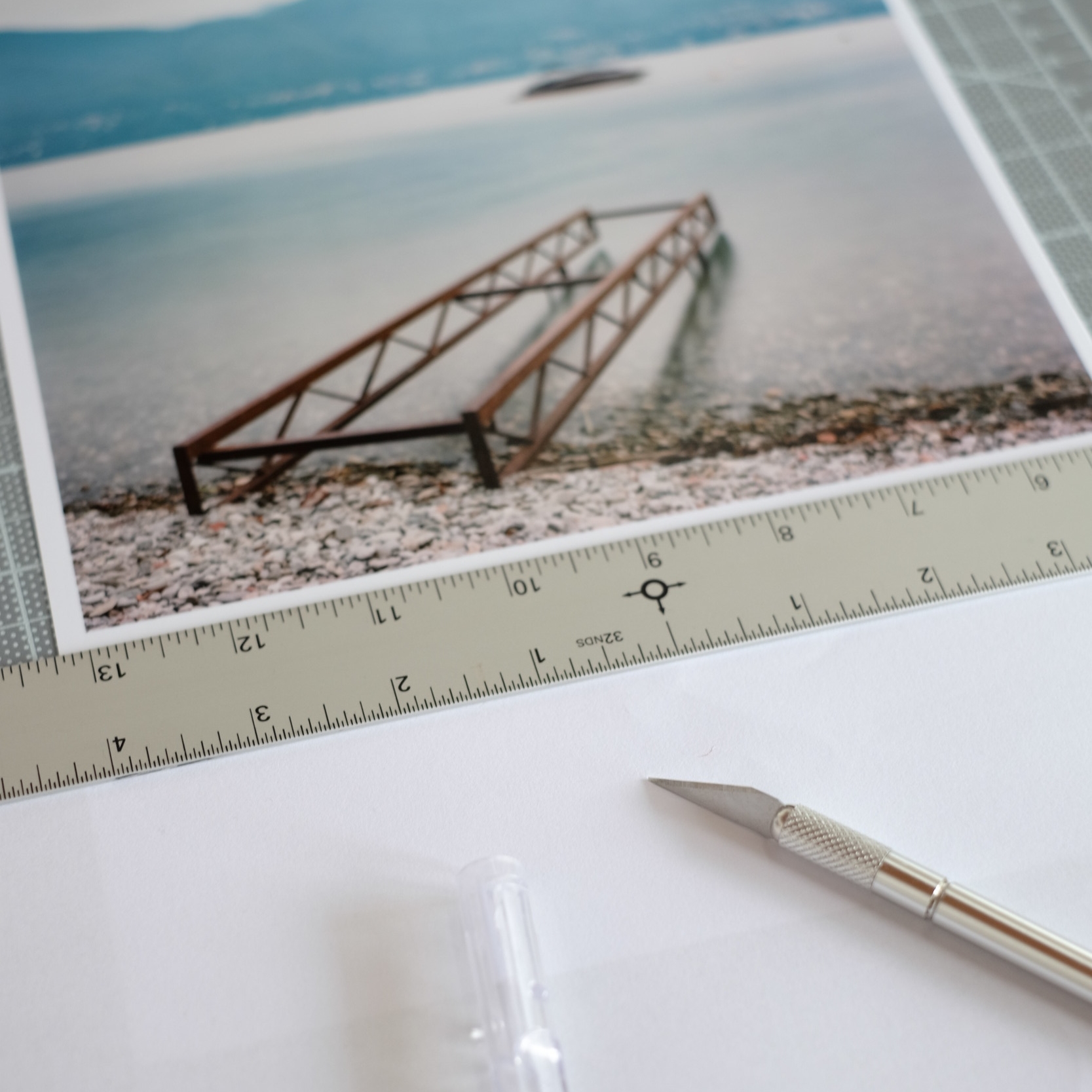
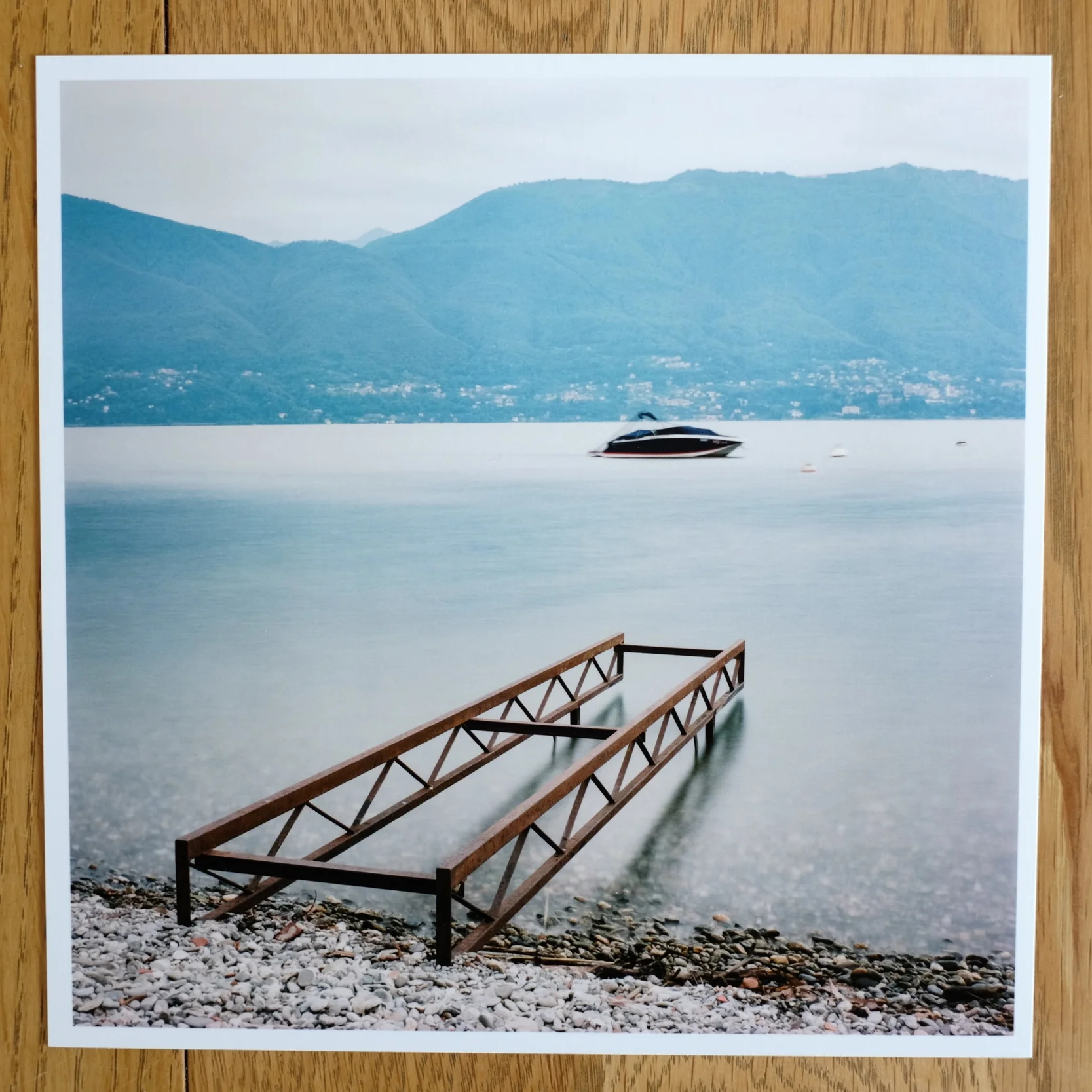
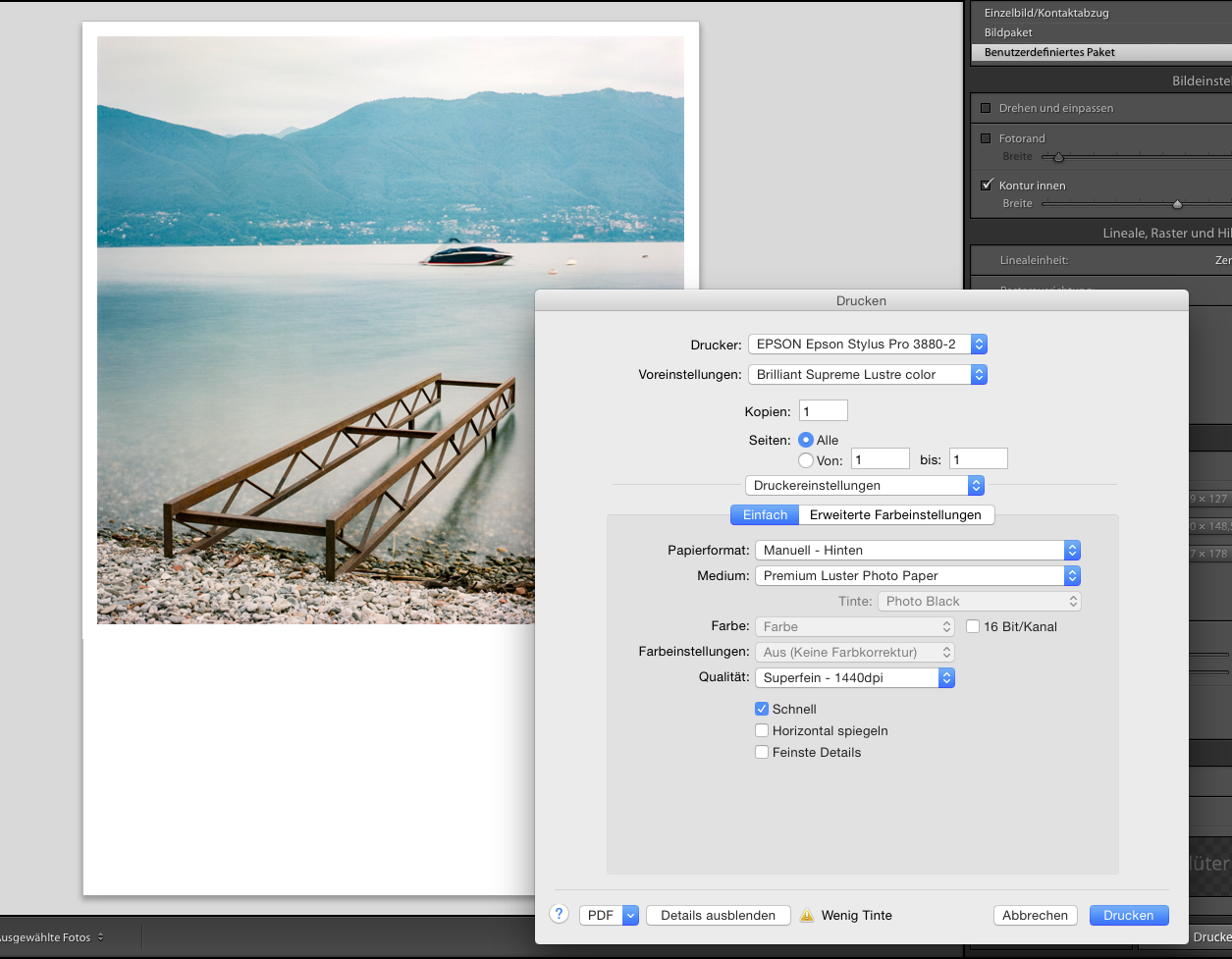
I always make a proof print to check for artifacts and color consistency.
Bildschirmfoto 2015-08-20 um 13.59.56.png
DSCF3565.JPG
DSCF3569.JPG
DSCF3570.JPG

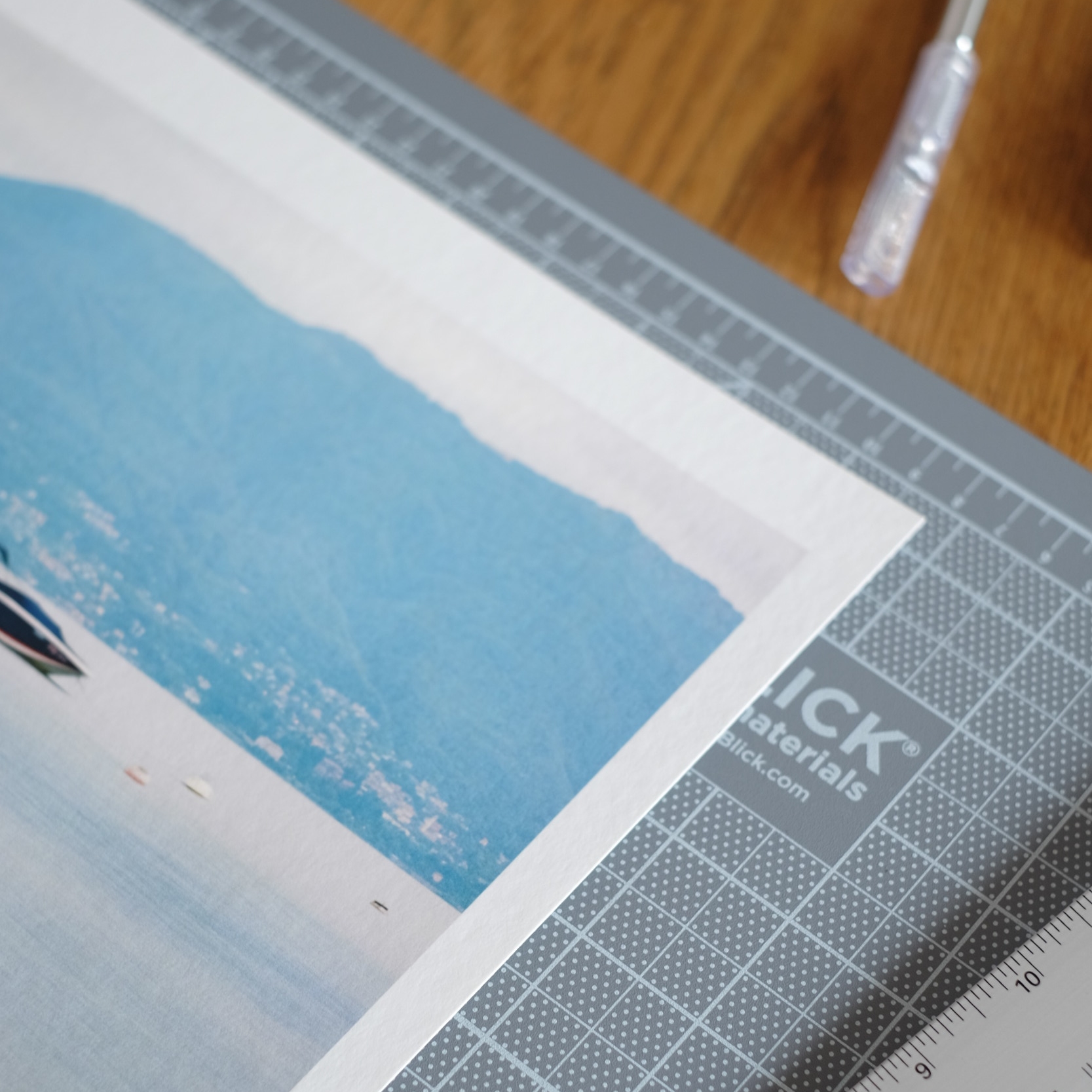
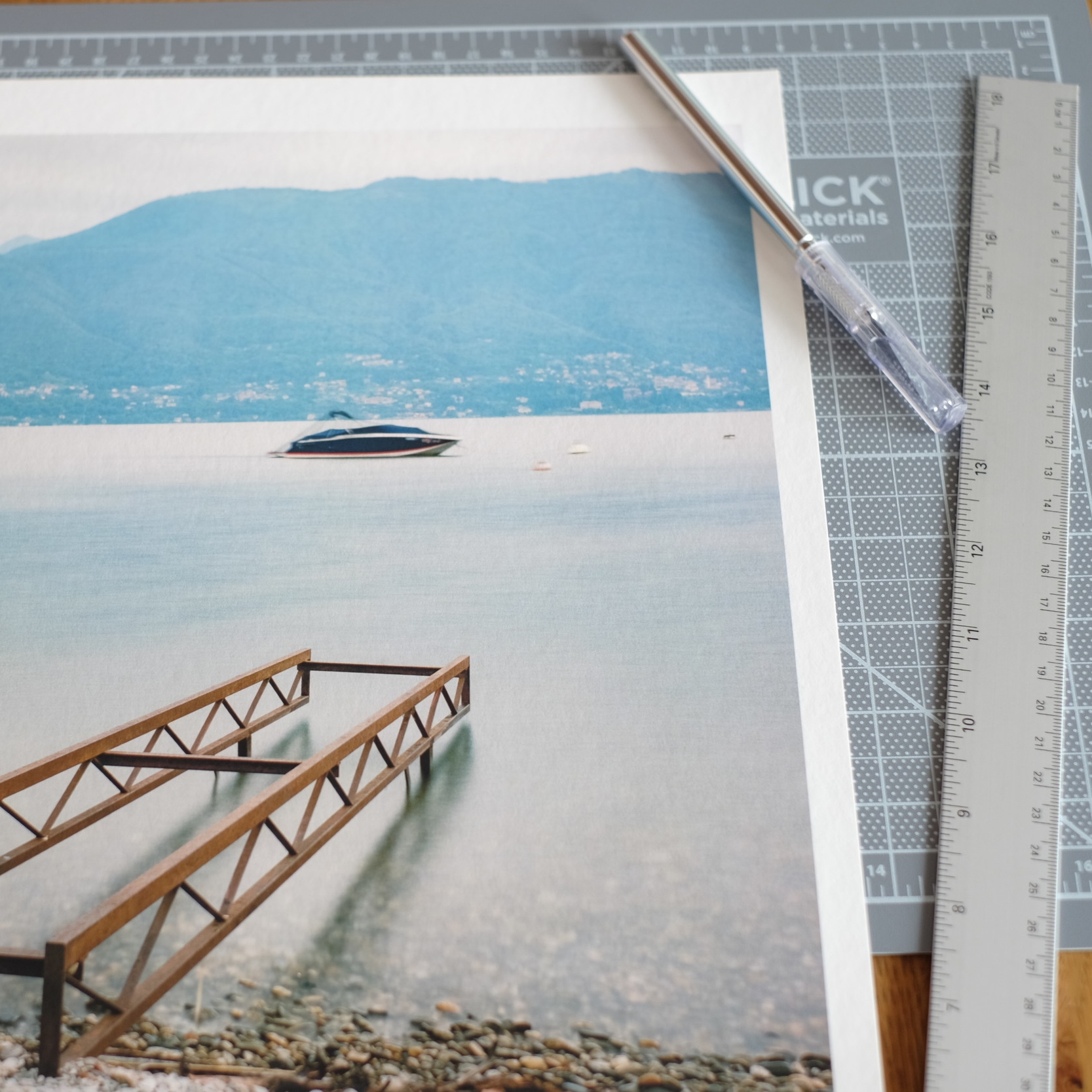
The final print will be printed on Hahnemühle Bamboo on an Epson SP3880

30 x 30 cm Inkjet Print on Hahnemühle Bamboo

30 x 30 cm Inkjet Print on Hahnemühle Bamboo

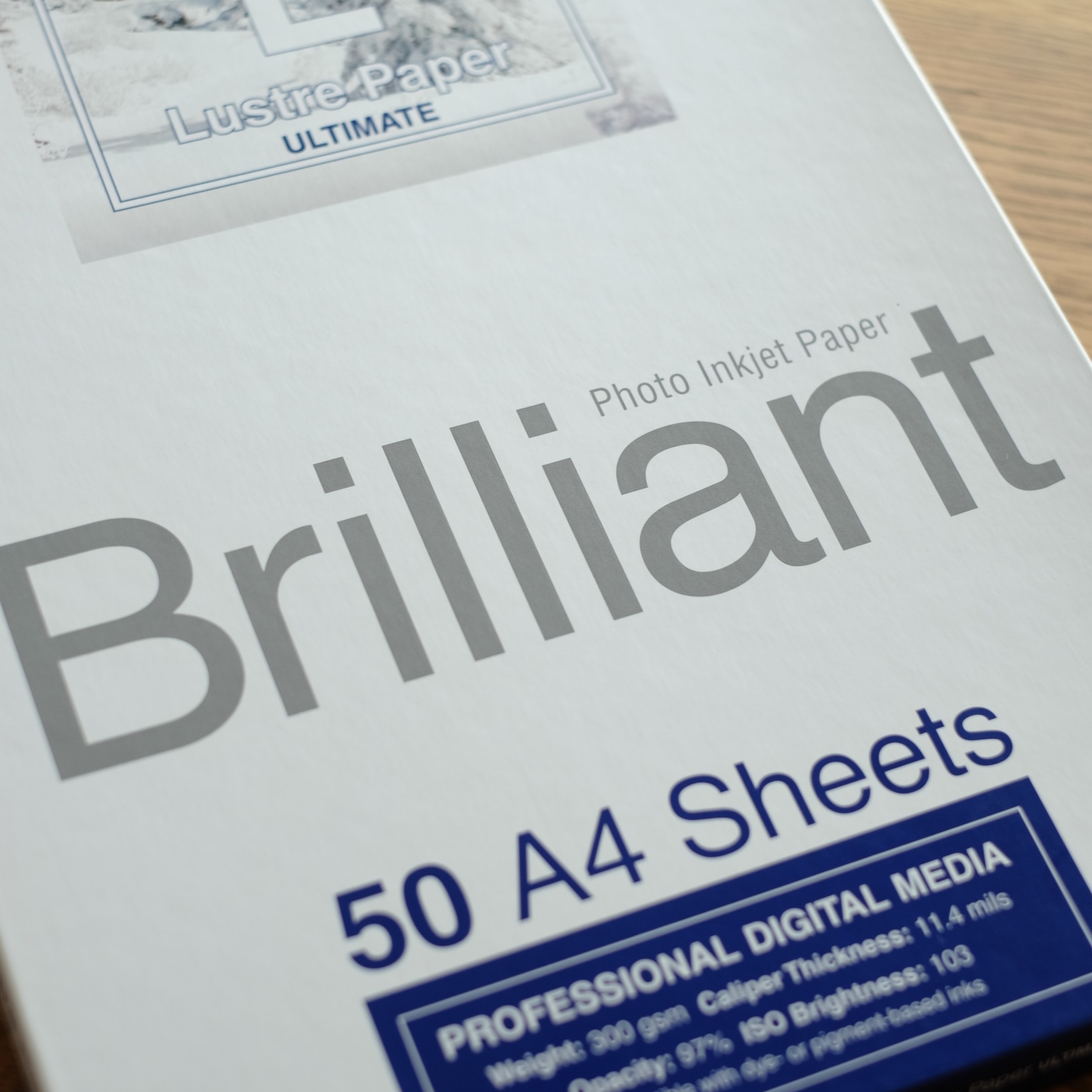
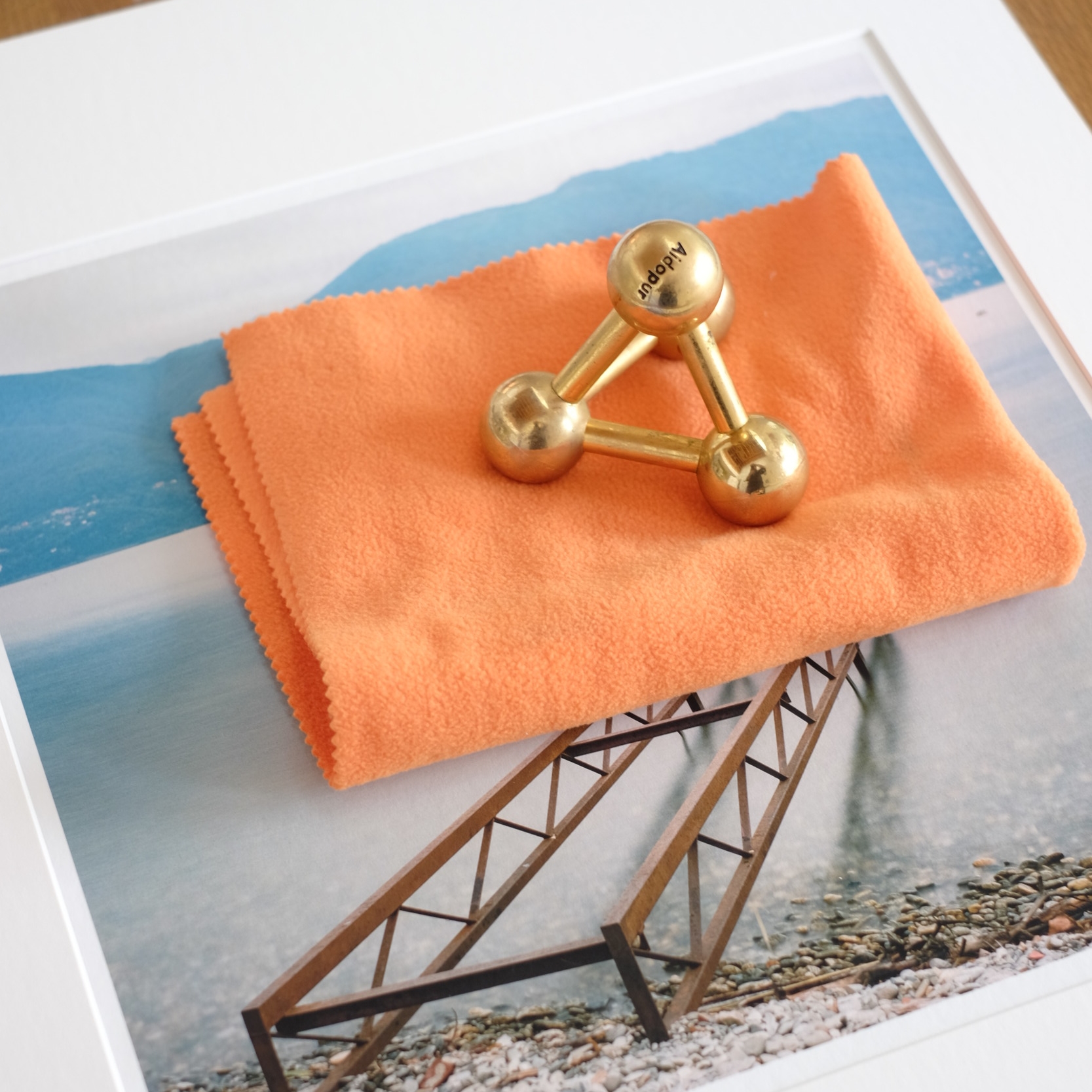
Colors are a bit softer and contrast is not as crisp as on the lustre paper which I used for proofing.
DSCF3571.JPG
DSCF3572.JPG
DSCF3578.JPG
DSCF3580.JPG
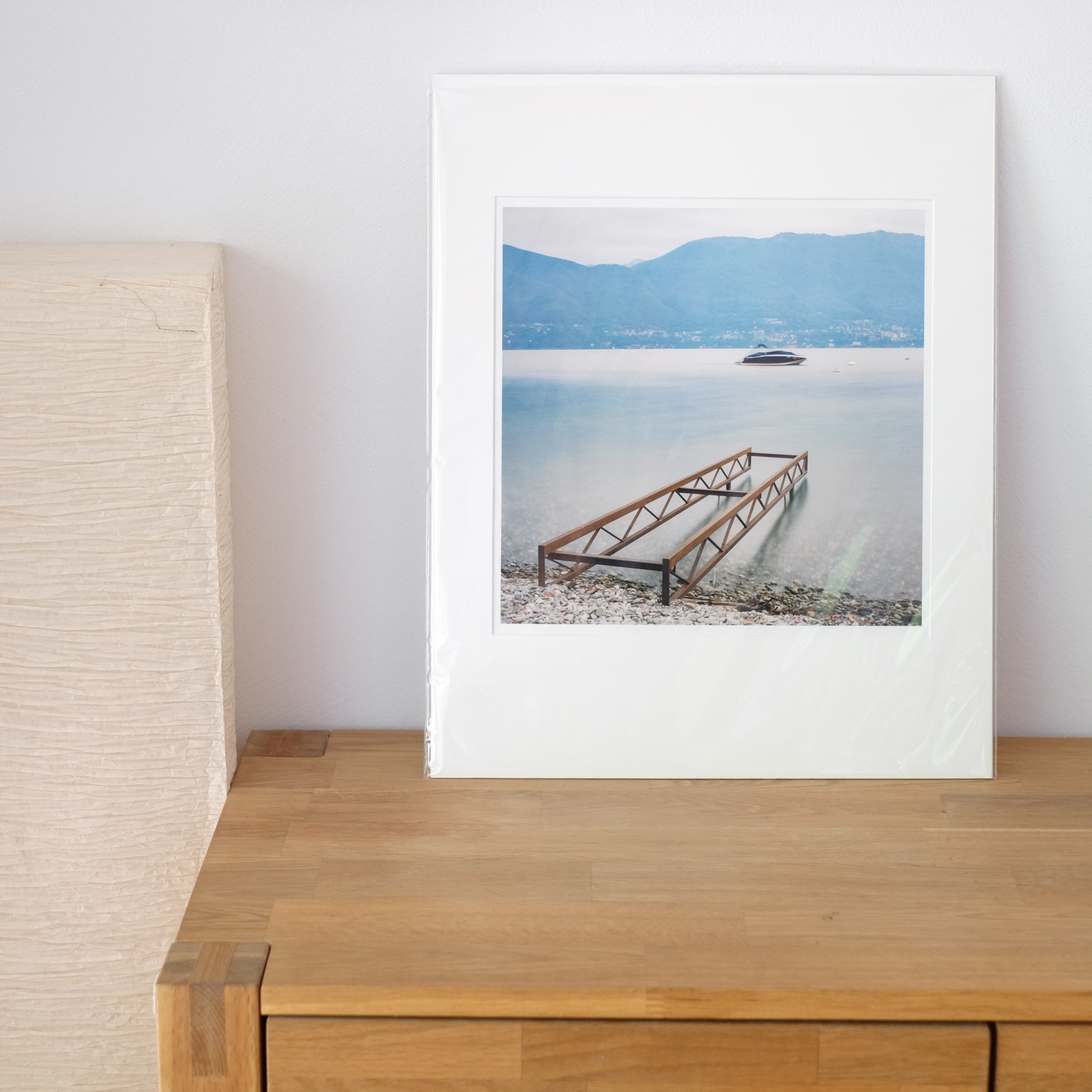
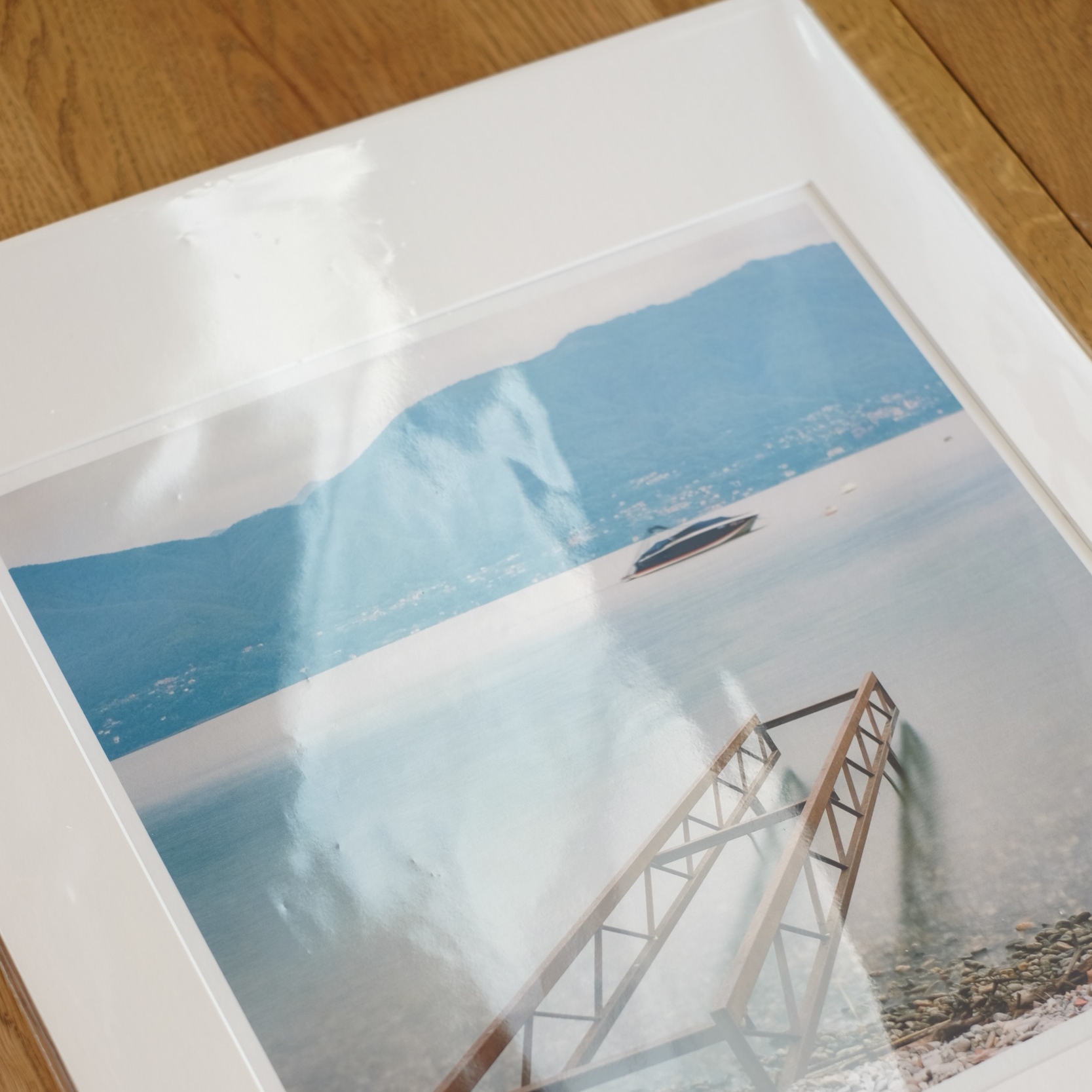
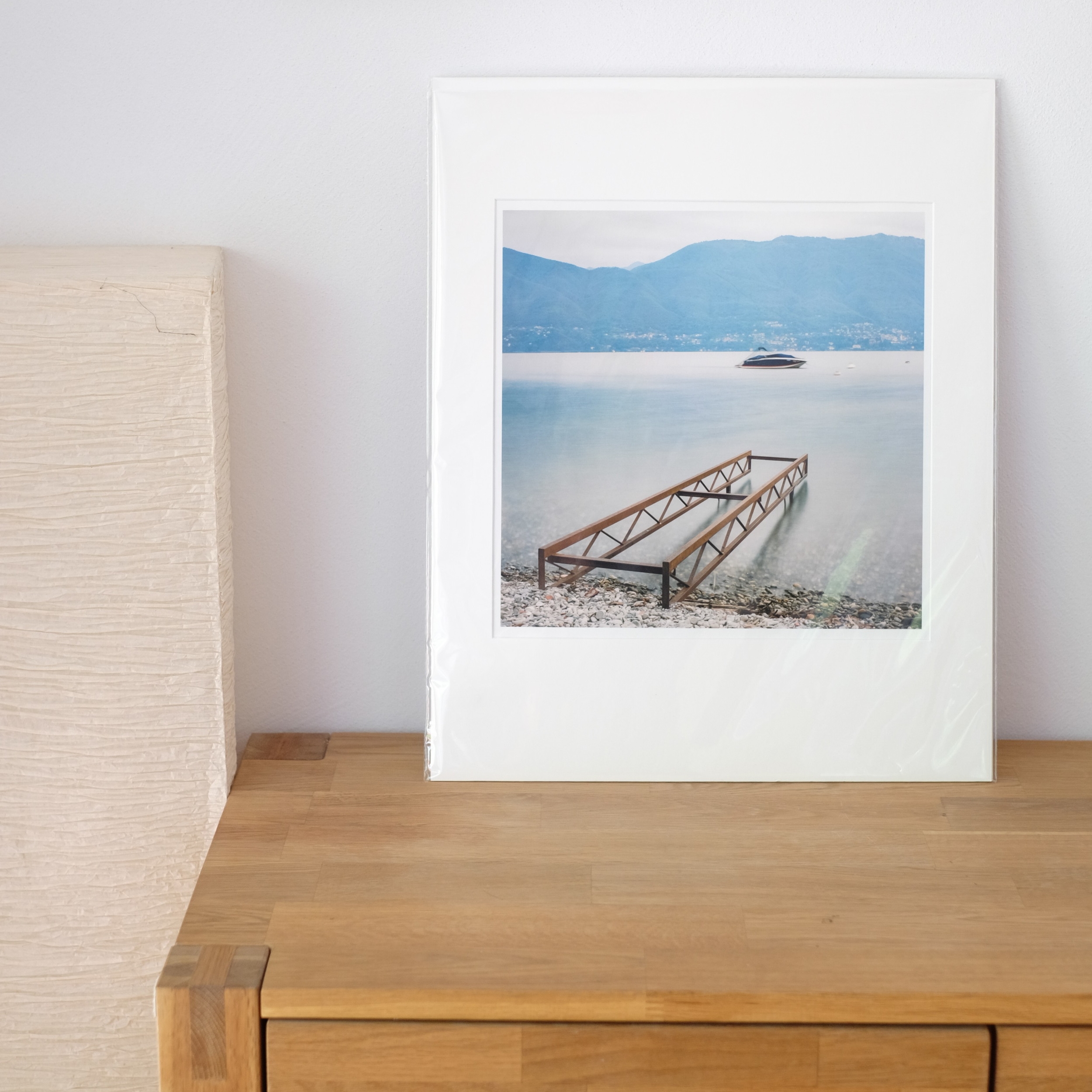
The final print, matted and packed.

The final print, matted and packed.

Note:
I am glad I chose "example workflow" in the title for this post, as I realized I included some basic mistakes when matting my print. The right and left border of the matte is way too small. I guess a 40x50cm frame is more suitable for a 25x25cm or 10x10in image. I will focus on this in one of my next posts.


In Film Photography, Scanning, Tutorial Tags scanning, printing, Silverfast, Tutorial, workflow
← ARTIST INTERVIEW - SANDY PHIMESTERArtist Interview - Mark Ivkovic →

TOP CONTENT

Scanning Tutorials

All about film scanning

Interviews

Artist Interviews

ARCHIVE

CATEGORIES
  • Film Photography 46
  • Scanning 35
  • Travel 27
  • Photo Essay 26
  • Tutorial 18
  • News 14
  • Digital Photography 13
  • Silverfast Scanning 12
  • Review 10
  • Interview 9
  • project 5
  • Field Notes 4
  • Fujifilm X-Series 4
  • Printing 4
  • Book 3
  • Freiraum 2
  • essay 2
  • Bayside Impressions 1


Recent Blog Posts

Featured
ColorPrecision Review

A FRESH TAKE ON KODAK FILM EMULATION FOR LIGHTROOM

INTRODUCTION

What is it that draws photographers to film, despite its somewhat outdated nature? I've written at length on this blog about the tactile, emotional, and aesthetic qualities of analog photography — and I still believe that digital can rarely replace the joy of loading a roll, advancing the film lever, hearing the satisfying shutter sound, and embracing the beautiful uncertainty of results.

Still, digital photography is often more practical. That’s why so many film photographers — myself included — look for tools to emulate the feel of analog film in a digital workflow. Over the years, a number of companies have emerged in this space: Mastin Labs, RNI, The Classic Presets, Dehancer — and now, a new contender: ColorPrecision, developed by film enthusiast and colorist Owen Markham.

Read more →
A SILENT JOURNEY THROUGH VENICE

Exploring the Floating City with a Canon AE-1

Venice in the fall. The city breathes differently when the summer crowds fade. The soft, diffused light reflects on the water, casting subtle ripples on ancient facades. The damp air carries the scent of salt and history. I arrived with no fixed plan—just my Canon AE-1 and a few rolls of Kodak Vision3, ready to capture whatever unfolded in front of me.

Read more →
The Ultimate Way of Digital Film Emulation

DEHANCER FILM LIGHTROOM PLUGIN REVIEW

A personal take on one of the most popular film emulation tools

This isn’t your typical review! Instead, it’s a report on my hands-on experience with Dehancer Film, breaking down the key aspects of the software. After experimenting with its interface and creating a range of looks, I wanted to see if Dehancer could complement my digital workflow, especially since I primarily shoot analog film.

Read more →
No. 24 — A Visual Journey

Introduction On many of my travels, I often seek out architectural gems: small houses that are iconic and stylistically significant but lie off the beaten tourist paths and aren't featured on every influencer's account. One of these significant masterpieces is the Alvar Aalto House in Helsinki, a place where architecture and light form a poetic symbiosis. During my visit, I was impressed by the thoughtful spatial design and the warm, natural lighting. The flowing forms and organic materials tell the story of an architect who masterfully knew how to direct light. To view the rooms undisturbed and in peace, the Alvar Aalto Foundation limits group sizes to a small number of participants. After a very knowledgeable and engaging tour, I had the opportunity to explore and photograph the house on my own. I will elaborate on the specific photographic techniques later, but first, let’s take a brief look at who Alvar Aalto

Read more →
Camera Scanning Part IV

If, like me, you've been captivated by scanning over the years and simply enjoy digitizing film, it's clear that you follow the market and the countless options available to you. I've written several times about the possibility of building your own small scanner setup. By now, my own setup has changed significantly and what started with a few simple components has grown into a very precise tool. I get a lot of joy from it and can finally scan films the way I want. However, to get this far, I had to overcome several hurdles. But let's start from the beginning.

Read more →

No results found
Journal RSS

Impressum – Site Legal Notice  |  Datenschutzerklärung – Privacy Notice | AGB / Term & Conditions